
A River Runs Through Us
Rivers are the lifeblood of communities. They always have been.

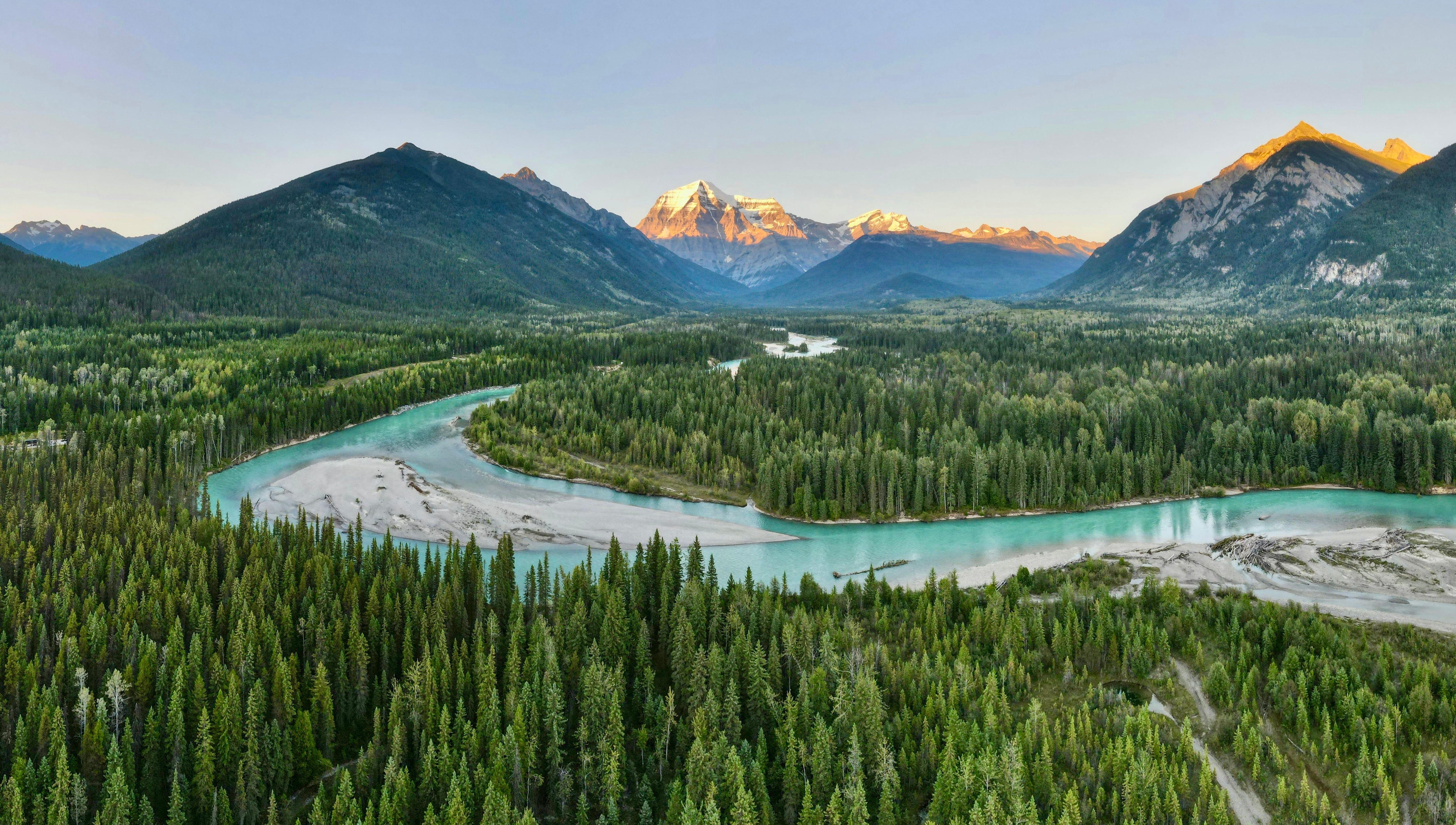
My ancestors lived along the Pawcatuck River in Rhode Island for nearly four hundred years. They milled grain, fished, sailed boats, and built their lives around its steady flow. The river fed them, carried their goods, and shaped their sense of place. It wasn’t scenery. It was infrastructure, sustenance, and identity.
Now I live in Vancouver, near the Fraser River—one of the great rivers of the Pacific coast. Different geography, same truth. Rivers still carry life from mountains to sea. They still stitch together forests, farms, cities, and oceans into a single living system. When they falter, everything downstream feels it—often long before we do.
Long before my ancestors arrived in New England—or settlers arrived here—the Coast Salish peoples lived in careful balance with these waters. For thousands of years, life followed salmon runs, tides, and seasons, guided by restraint and responsibility to future generations. Salmon weren’t just food; they were teachers. Take too much, ignore limits, and the river would eventually answer back.
“We are the river, and the river is in us.” Sonny McHalsie
A recent report on the Fraser River by Matt Landos tells a sobering story of what happens when that balance is lost. The collapse of salmon runs is often blamed on overfishing, but the deeper cause is more familiar: decades of industrial extraction and chronic pollution. Mining, pulp mills, agriculture, urban runoff, pesticides, plastics, metals—each adding a small insult, year after year. Not sudden catastrophe, but slow erosion of reproduction, immunity, and survival. Death by accumulation.
Salmon live at the intersection of land, river, and ocean. When they thrive, systems are in balance. When they disappear, something fundamental is wrong.
And yet, there are glimpses of what recovery can look like when we choose restraint. Where dams have been removed, pollution reduced, and floodplains restored, salmon have returned—sometimes faster than expected. From the Pacific Northwest to New England, runs have rebounded within a few generations once migration routes reopened and waters were allowed to heal. These recoveries aren’t miracles. They’re reminders. When pressure eases, rivers remember what to do.
We may live farther from the riverbanks now, buffered by pipes, pumps, and pavement. But we are not separate from the flow. What moves through rivers moves through us—through our food, our bodies, our children. The health of rivers is not a metaphor. It is as real and essential as our own lifeblood—and the lifeblood we hope to pass on.
"What moves through rivers moves through us .... is as real and essential as our own lifeblood .... the lifeblood we hope to pass on." Compelling reality of all humanity. Thank-you, Bruce.
Dear Bruce, There’s a song we sing here a Songaia, my community in Bothell WA, that came to mind as I read your words and saw the photo of the River. Thank You Love, Mom
PUT YOUR ROOTS DOWN
“Put your roots down, put your feet on the ground.
You can hear the Earth sing if you listen. ( X2)
Cause the sweet sound of the River, as it moves across the stones,
Is the same sound of the blood in your body as it moves across the stones.
Are you listening? Hmm Huh (X2)”.